Fashion in Music and Pop Culture
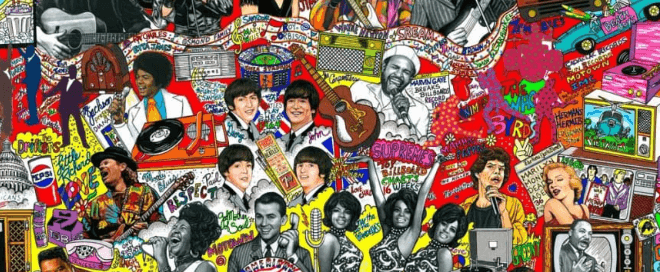
Fashion in music acts as a visual amplifier, signaling genre, mood, and era with precision. Designers translate sound into silhouette, color, and texture, shaping stagewear, album art, and branding. From glam silhouettes to neon typography, the wardrobe becomes a co-author of cultural memory. Fans curate identity around iconic looks, while crossovers between streetwear and luxury redefine authority. The question remains: which image will next redefine the sound?
How Fashion Shapes Musical Identity
Fashion functions as a visual shorthand for musical identity, signaling genre, era, and attitude without a single lyric.
The analysis centers on how wardrobe communicates intent: aesthetic typography and gendered silhouettes merge to suggest rebellion, glamour, and crowd- pull.
Designers translate sound into look, shaping perception, branding the artist, and guiding fan identity with disciplined, provocative restraint.
Freedom-conscious style endures, evolving with taste.
Iconic Styles: Stagewear Through the Decades
From the glittering dawn of stagecraft to the neon-saturated arenas of today, iconic stagewear has functioned as a live storyboard of cultural shifts, instantly signaling era, mood, and star power.
This survey traces glam rock to neon glam, disco silhouettes to vintage revival, indie revival to punk tailoring, revealing how silhouettes and textures encode rebellion, nostalgia, and forward motion in performance fashion.
Album Art and Visual Branding in Pop Culture
Album art operates at the intersection of music and branding, translating sonic identity into a visual shorthand that fans carry beyond the tracklist. Visual branding embraces neon typography and monogram palettes to signal mood, era, and dare. It refracts trends with restrained rebellion, inviting audiences to curate identity through artwork as much as through sound, instantly recognizable yet endlessly mutable.
From Streetwear to Red Carpet: The Crossovers You Can’t Miss
From street corners to red-carpet lights, crossover moments between streetwear and high fashion have become the defining language of contemporary style. The synthesis thrives in luxe silhouettes meeting athleisure silhouettes, with glam nostalgia fueling bold branding and chunky sneakers.
Monochrome palettes anchor experiments, while unexpected textures and oversized fits push boundaries, proving streetwear’s influence shapes red-carpet risk-taking and aspirational elegance.
See also: How Cryptocurrency Transactions Actually Work
Frequently Asked Questions
How Does Fashion Influence Audience Engagement at Live Performances?
Fashion convergence in live settings amplifies audience engagement by signaling artists’ identity through stage couture, boosting memorability and discussion, while fans translate visuals into shared meaning; stage couture acts as a catalyst for collective energy and interpretation.
Which Designers First Popularized Music-Industry Collaborations?
Blazing neon bridges between riffs and runways: designer collaborations began with early streetwear pioneers like Shawn Stussy and Marc Ecko, expanding when luxury houses embraced music icons, shaping culture through audacious, trend-savvy partnerships that energized audiences and markets alike.
How Are Gender and Identity Portrayed in Music Fashion?
Gender and identity in music fashion reveal gender fluidity and identity performance as central tropes, with designers and artists negotiating boundary-pushing looks, crowdsourcing rebellion, and signaling autonomy; a savvy, trend-focused portrayal that respects individual freedom.
What Role Does Fashion Play in Music Marketing Metrics?
Fashion plays a measurable role in music marketing, influencing style ROI and branding metrics as audiences associate artist visuals with credibility, aspiration, and trend authority, elevating engagement, fan loyalty, and monetizable perception across campaigns and product collaborations.
How Do Regional Subcultures Shape Musical Style Aesthetics?
Regional subcultures shape musical style aesthetics by blending regional dialects with evolving streetwear synthesis, signaling local identities while influencing global trends; savvy observers note how neighborhood sounds become distinct, then diffuse, fueling a freedom-seeking, trend-aware cultural dialogue.
Conclusion
Fashion speaks where lyrics pause. In the spotlight, stagewear erupts with bravura, then settles into album art that lingers like a motif. Neon rebellion poles against gilded red carpets, while streetwear borrows couture to remix identity. The visual sidecar of pop culture shifts faster than charts, yet the silhouette endures: a timeless dialogue between sound and image. Juxtaposition reveals a truth—style is both mirror and megaphone, shaping eras even as it echoes them.